Types of Yoga: Which to Try and How to Find a Teacher
- astauche6
- 5 days ago
- 10 min read

The main types of yoga fall into five practical families: foundational (Hatha), breath-synced flow (Vinyasa/Flow and Power), alignment-focused (Iyengar), restorative (Yin and Restorative), and heated practice (Hot/Bikram), with energetic traditions like Ashtanga and Kundalini rounding out the picture. For most beginners, a Hatha or gentle Vinyasa class is the most forgiving starting point because the pace is manageable and teachers typically offer modifications. When you’re ready to find a class or practitioner, Spine App matches you to sessions and teachers across all these styles, online or in person.
At a glance, the pace-and-intention bands look like this:
Gentle/foundational: Hatha, Restorative, Yin — slower pace, long holds, emphasis on rest or alignment
Flow/athletic: Vinyasa, Power, Ashtanga — breath-linked movement, moderate to vigorous intensity
Alignment/props: Iyengar — precise cueing, blocks, straps, bolsters; suitable for all levels
Pro Tip: On your first week, try different teachers within the same style before switching styles entirely. The teacher’s approach shapes the class more than the label on the schedule.
Table of Contents
What are the main types of yoga classes?
Yoga styles range from slow, meditative practices to fast athletic flows. Here is what each core style actually looks like in a studio.

Style | Typical Pace | Common Props | Intensity | Mental Focus |
Hatha | Slow–moderate | Blocks, straps | Low–moderate | Breath awareness |
Vinyasa/Flow | Moderate–fast | Mat | Moderate–vigorous | Movement rhythm |
Power | Fast | Mat | Vigorous | Endurance |
Iyengar | Slow | Blocks, straps, bolsters, wall ropes | Low–moderate | Precision alignment |
Yin | Very slow | Bolsters, blocks | Low | Stillness, meditation |
Restorative | Still | Bolsters, blankets, eye pillows | Very low | Deep relaxation |
Hot/Bikram | Moderate | Mat, towel | Moderate–high | Heat tolerance, focus |
Ashtanga | Moderate–fast | Mat | Vigorous | Set sequence, breath |
Kundalini | Varied | Mat | Low–moderate | Breathwork, chanting |
Hatha is the Western catch-all for physical yoga. Classes tend to hold poses longer, making them a practical entry point for learning basic shapes without rushing. Vinyasa links breath to movement continuously; the style was adapted from Ashtanga in the 1980s and is now the most common studio format in the U.S. Power yoga is essentially vigorous Vinyasa with a fitness emphasis.
Iyengar classes use props extensively to help students find precise alignment. The pace is slow, but the attention to detail is high. It suits people recovering from injuries or anyone who wants to understand the mechanics of a pose before moving on. Yin holds passive poses for three to five minutes, targeting connective tissue rather than muscle; the mental experience is closer to meditation than exercise. Restorative goes further, using props to support the body completely so muscles can release without any effort.
Hot/Bikram classes run in rooms heated to around 104°F. Bikram follows a fixed 26-pose sequence; “hot yoga” is a broader term for heated classes with varying sequences. Ashtanga follows a set series of poses practiced in order, traditionally self-paced. Kundalini combines breathwork, repetitive movement sets, and chanting; it sits at the intersection of physical practice and breath-based meditation.
Who each style suits, briefly:
Hatha: beginners, anyone wanting a slower introduction
Vinyasa/Power: people who enjoy cardio-adjacent movement
Iyengar: those with injuries, alignment questions, or a detail-oriented mindset
Yin/Restorative: people managing stress, fatigue, or needing body-based recovery
Hot/Bikram: athletes comfortable with heat and intensity
Ashtanga: self-disciplined practitioners who want a structured progression
Kundalini: people drawn to breathwork and mind–body integration
Why the teacher matters more than the style name
Choosing a style depends more on the instructor’s training and class focus than on what the schedule calls it. The same standing sequence can feel alignment-focused, breath-driven, or restorative depending entirely on how a teacher cues it. That distinction matters practically: a “Vinyasa” class with a teacher who pauses to adjust alignment will feel nothing like a fast-flow class under the same label.
When scanning class listings or practitioner profiles, look for these signals:
Does the description mention modifications or props?
Does the teacher list training in a specific methodology (Iyengar certification, trauma-informed yoga, therapeutic yoga)?
Is class size listed? Smaller classes usually mean more individual attention.
Does the listing use words like “all levels” or “beginners welcome” with specifics, not just as a tagline?
Does the teacher’s bio mention working with injuries, chronic conditions, or beginners?
Practical signals that a teacher supports modification-first practice:
Offers pose alternatives before anyone asks
Demonstrates props as the default, not the exception
Avoids physically adjusting students without asking permission
Uses language like “find your version” rather than “get into the pose”
Checks in with students about injuries at the start of class
Pro Tip: Book a private or small-group intro session before committing to a regular group class. One session with direct feedback on your alignment and limitations is worth more than three drop-ins where you’re guessing.
Use Spine App to filter practitioners by modality, class format, and specialty. Reading a teacher’s profile notes before booking saves time and helps you find someone whose approach matches your current needs.
Safety, accessibility, and what to know before your first class
Hot yoga’s room temperature of approximately 104°F is the most commonly underestimated factor for new students. Drink water before class, not just during, and plan to take breaks on your mat if you feel lightheaded. Your first hot class should be treated as an orientation, not a workout.
Safety note: If you have cardiovascular conditions, are pregnant, or are prone to heat sensitivity, consult a physician before attending any heated yoga class.
Props are not a sign of limitation. Blocks, straps, and bolsters exist to make poses accessible at every level, and teachers who use them as defaults rather than afterthoughts create safer classes. One practical principle: adding contact points expands your base of support and improves stability. A hand on the wall, a knee on the floor, or a block under the hand in a standing pose all apply this idea directly.
Red flags in class descriptions worth noting:
No mention of modifications or props
Language that implies one “correct” shape for every body
No stated experience level or prerequisites for an intense style
Before any class, tell the teacher about injuries or physical limitations. Arrive five minutes early to have that conversation without rushing. If a pose causes sharp or joint pain, stop and ask for an alternative. Chair yoga is a fully valid option for students with mobility constraints, and many studios offer it.
Pro Tip: For balance-limited students, placing a hand on the wall during standing poses immediately increases stability. Use it freely. It is not a shortcut; it is good mechanics.
What a typical yoga class looks like across formats
Most yoga classes, regardless of style, follow a similar arc: a warm-up phase, a focused practice section, and a cool-down ending in final relaxation (Savasana). What varies is the length, pacing, and how much individual attention you receive.
Common formats and what to expect:
Drop-in group class (60–90 minutes): The standard studio format. You attend without a series commitment. Good for sampling styles, but less individual feedback.
Intro or foundations series (4–6 weeks): A structured sequence designed for beginners. Builds progressively and usually includes alignment basics.
Private lesson (30–75 minutes): One teacher, one student. The fastest way to learn safe modifications and get a practice tailored to your body and goals.
Small-group workshop (90–180 minutes): Deep focus on a theme (inversions, hip openers, breathwork). More interaction than a drop-in, less cost than private sessions.
Online on-demand: Flexible and accessible, but requires self-awareness about alignment since no teacher can observe you. Best paired with at least occasional in-person sessions.
Hybrid sessions: Live-streamed classes where the teacher can see students via camera. A middle ground between on-demand and in-person.
Questions to check in any listing: Is the class size listed? Are props provided or should you bring your own? Does the level description match your experience honestly?
A simple 4-week plan to sample different styles safely
This plan is designed as a low-risk experiment. The goal is to collect real data about how each style affects your energy, soreness, and focus, not to master any single practice.
Week 1: One Hatha class + one gentle Restorative session. Track: How did your energy feel the day after each? Any soreness?
Week 2: One Vinyasa class + one Yin session. Track: Did the flow class feel manageable or rushed? How did the long holds in Yin feel mentally?
Week 3: One Iyengar alignment class + one Restorative session. Track: What did you learn about your alignment? Did the props help?
Week 4: Repeat the one or two sessions that felt best. Note which teacher’s cueing resonated most.
Sequencing rules to follow throughout:
Never schedule two vigorous or heated classes back-to-back in the same week
Place a Yin or Restorative session after any intense class as a recovery day
If you feel unusual fatigue or joint soreness, replace the next session with a Restorative class
Use Spine App to search for teachers offering each of these formats, filter by in-person or online, and book directly through practitioner profiles.
Key Takeaways
The most practical insight from the research: the teacher’s methodology shapes a yoga class more than the style name, so prioritize finding a teacher who emphasizes modification and functional movement over chasing the “right” style.
Point | Details |
Five core style families | Foundational, flow/athletic, alignment, restorative, and heated cover the full range of yoga practice variations. |
Teacher over label | The same sequence delivers different outcomes depending on how a teacher cues it; read bios and ask about training. |
Hot yoga safety | Rooms reach approximately 104°F; hydrate before class and treat your first session as an orientation. |
Props are default, not optional | Blocks, straps, and wall contact points increase stability and reduce injury risk for all levels. |
Spine App for matching | Use Spine App to filter practitioners by modality, format, and accessibility and book intro sessions directly. |
The part of yoga no one tells beginners
Most articles about different styles of yoga present the choice as a matter of personality or fitness level. That framing is too simple. The more honest question is: what do you need from your body and mind this week, and does the class you’re considering actually deliver that?
A Vinyasa class taught by someone who pauses every few minutes for alignment cues is a fundamentally different experience from one that moves at a pace where you’re always half a breath behind. Neither is wrong. But if you walk into the second class expecting the first, you’ll leave frustrated and possibly sore in the wrong places. The style label told you almost nothing useful.
What I find most overlooked in conversations about yoga practice variations is the role of transitions. The movement between poses, not the poses themselves, is where most functional benefit and most injury risk lives. Teachers who slow down transitions, name what’s happening in them, and offer options at that moment are the ones worth seeking out. That quality doesn’t show up in a style name. It shows up in how a teacher talks about their work.
If you’re unsure where to start, a private session is not an indulgence. It’s the most efficient use of your first hour on a mat.
Finding the right class or teacher is easier with Spine App
Knowing which yoga styles exist is one thing. Finding a teacher who actually fits your goals, schedule, and physical needs is where most people get stuck.
[
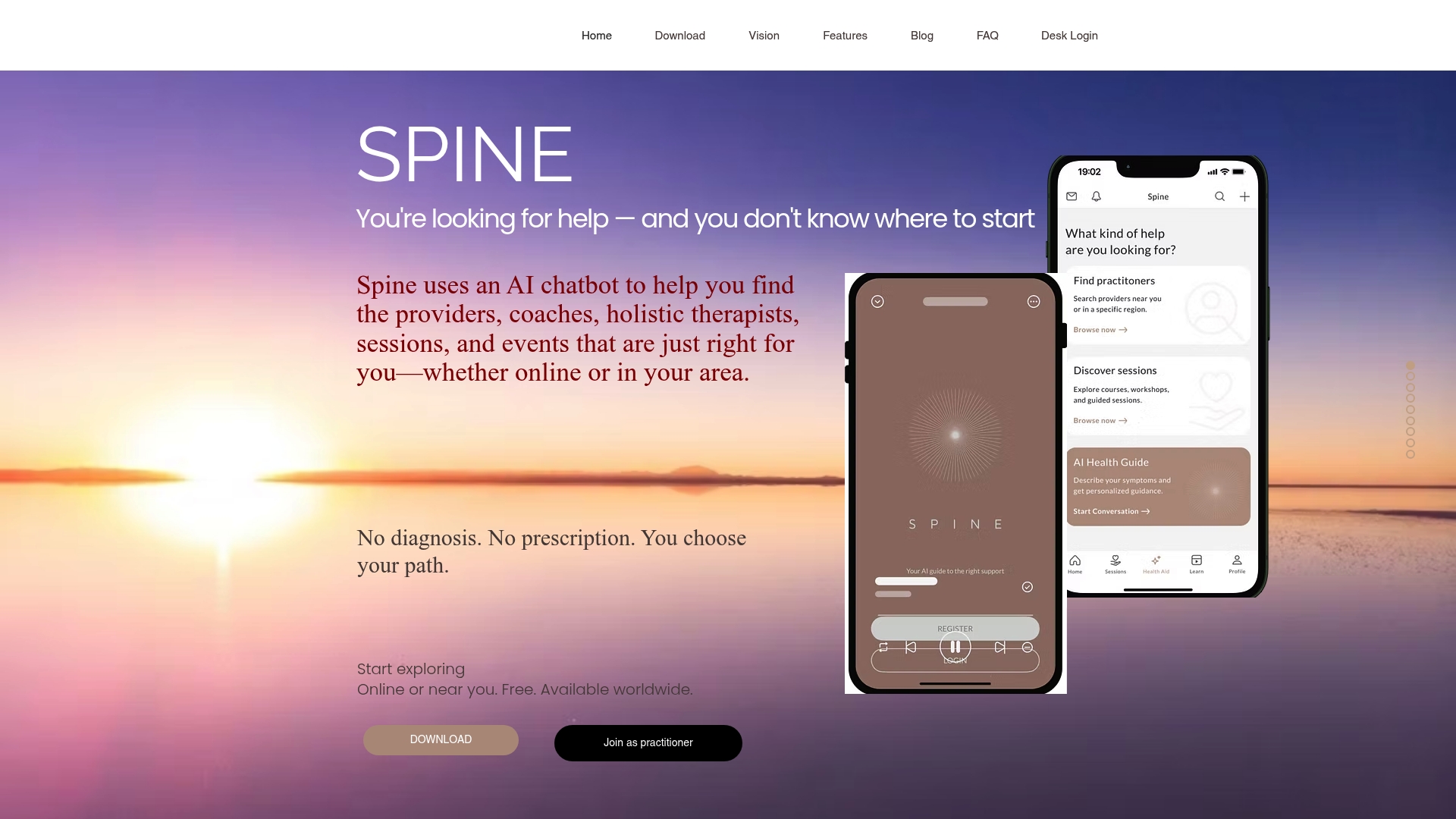
Spine App lets you describe what you’re looking for in plain language and matches you to practitioners, sessions, and events across conventional and holistic care paths. For yoga specifically, you can filter by modality, class format (group, private, online), and accessibility needs, then book directly through a practitioner’s profile without back-and-forth emails.
What you can do right now:
Search for yoga teachers or sessions by style and location
Filter for beginner-friendly, modification-first, or online formats
Book an intro or private session matched to your current goals
Find a yoga teacher or session on Spine App and take the guesswork out of where to start.
Authoritative sources and further reading
Source | Why it’s relevant |
Yoga: Effectiveness and Safety — NCCIH | National Institutes of Health overview of yoga styles, safety, and evidence base |
Practical guidance on matching class type and intensity to individual needs | |
Types of Yoga — Britannica | Concise historical and definitional overview of major yoga traditions |
Types of Yoga: A Complete Guide — Healthline | Beginner-friendly descriptions mapping studio labels to foundational styles |
Is Hot Yoga Good for You? — Business Insider | Science-backed review of hot yoga benefits and risks, including temperature data |
Yoga Modifications: Adapt Any Posture — Dr. Trish Corley | Practical modification principles including base-of-support mechanics |
Choosing a Yoga Style — AP News | Expert perspectives on why teacher approach matters more than style name |
FAQ
What are the main types of yoga for beginners?
Hatha and gentle Vinyasa are the most beginner-friendly options because the pace allows time to learn basic poses and ask questions. Restorative yoga is also a low-barrier starting point for anyone managing stress or fatigue.
Which yoga style is best for stress and recovery?
Yin and Restorative yoga are the most effective styles for stress reduction and physical recovery, using long-held passive poses and props to support deep relaxation. These styles also pair well with stress-reduction practices outside the studio.
How hot is a hot yoga class?
Hot yoga rooms are typically heated to around 104°F. Hydrate before class, take breaks on your mat if needed, and treat your first session as an orientation rather than a full workout.
Does it matter which yoga style I pick, or does the teacher matter more?
The teacher’s training and cueing approach usually shape the class more than the style label. Two Vinyasa classes under different teachers can feel completely different in intensity, pacing, and accessibility.
Can I do yoga if I’m not flexible?
Flexibility is not a prerequisite for any yoga style. Teachers who emphasize modification and functional movement make classes accessible regardless of your current range of motion.
How do I find a yoga teacher who fits my needs?
Read practitioner bios for mentions of specific training, modification emphasis, and experience with beginners or injuries. Spine App lets you filter practitioners by modality, format, and accessibility so you can find a matched session without extensive searching.
What is the difference between Yin and Restorative yoga?
Yin yoga holds passive poses for several minutes to target connective tissue and has a meditative quality. Restorative yoga uses props to support the body completely, aiming for full muscular release and deep rest.
Recommended