Types of Alternative Healing Practices: A Clear Guide

Updated: 4 days ago

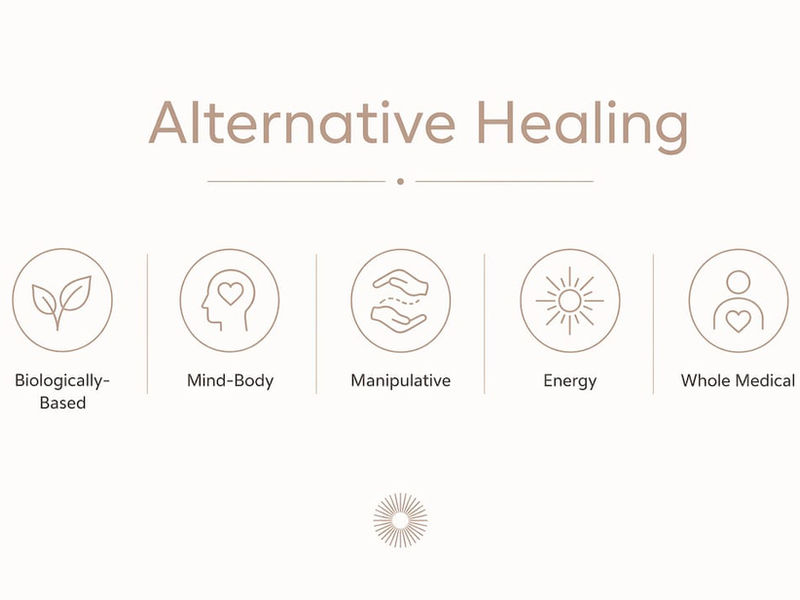
Alternative healing practices are defined as methods outside conventional medicine that aim to support health through natural, physical, energetic, or integrative means. The field covers five major domains: biologically-based practices, mind-body interventions, manipulative and body-based methods, energy therapies, and whole medical systems. Each domain includes distinct techniques, from acupuncture and Ayurveda to Reiki, herbal medicine, and yoga. Understanding these categories helps you make informed choices rather than feeling lost in a fragmented wellness space.
Complementary and alternative medicine (CAM) is the recognized industry term for this field. The types of alternative healing practices covered here range from well-researched to emerging, and each carries its own evidence base, safety profile, and practical requirements.
Spine App is free: find people who help and a community that gets it. Get it on App Store · Google Play
What are the main types of alternative healing practices?
The five domains of CAM were established by the National Center for Complementary and Integrative Health (NCCIH) to organize a field that spans thousands of years and dozens of cultures. Each domain addresses health from a different angle. Biologically-based practices use natural substances. Mind-body interventions work through mental and emotional processes. Manipulative therapies use physical touch. Energy therapies work with perceived energy fields. Whole medical systems combine multiple approaches under one philosophy.
Integrative care models focus on physical, psychological, emotional, and environmental factors as one connected system. That framing matters because it shifts the goal from eliminating a single symptom to understanding why it appeared. This is what separates CAM from a simple symptom-suppression approach.
What are biologically-based practices and how do they support wellness?
Biologically-based practices use natural substances to support the body’s function. This category includes herbal medicine, dietary supplements, nutritional counseling, and functional foods. St. John’s Wort for mood support, turmeric for inflammation, and magnesium for sleep are common examples people encounter first.
The evidence for these practices varies widely. Some herbs have strong clinical backing. Others have limited research and rely on traditional use. The critical issue is safety. Medicinal herbs are potent and can interact negatively with prescription medications. That means “natural” does not automatically mean safe.
Common biologically-based practices include:
Herbal medicine: Plant-based remedies used to address conditions ranging from anxiety to digestive issues
Dietary supplements: Vitamins, minerals, and compounds like omega-3s or probiotics used to fill nutritional gaps
Nutritional counseling: Personalized dietary guidance to address chronic conditions through food
Functional foods: Everyday foods used intentionally for their therapeutic properties, such as fermented foods for gut health
If you want to stack herbal supplements effectively, professional guidance is not optional. A qualified naturopath or integrative physician can review your current medications and identify potential conflicts before they become problems.
Pro Tip: Before starting any herbal supplement, bring a full list of your current medications to a qualified practitioner. Even common herbs like ginkgo or valerian can interfere with blood thinners and antidepressants.
How do mind-body interventions work to enhance health?
Mind-body interventions work on the principle that mental and emotional states directly affect physical health. The mechanisms include changes in stress hormones, nervous system regulation, and immune function. Research confirms these therapies help manage symptoms like anxiety, depression, and chronic pain, though they typically lack the regulatory oversight of biomedical treatments.
The most widely used mind-body practices are:
Meditation: Focused attention or open awareness practices that reduce cortisol and improve emotional regulation. Mindfulness-Based Stress Reduction (MBSR), developed by Jon Kabat-Zinn, is the most studied protocol.
Yoga: A combination of physical postures, breathwork, and focused attention. Yoga Nidra and restorative yoga are particularly effective for people managing chronic stress or pain.
Breathwork: Structured breathing techniques such as box breathing, 4-7-8 breathing, or holotropic breathwork that shift the nervous system from a stress response to a recovery state.
Guided imagery: A therapist-led or recorded practice where you visualize specific scenarios to reduce pain perception or anxiety. Used in oncology and pre-surgical settings with measurable results.
Addressing the psychological relationship to chronic conditions is often more effective than treating symptoms alone. Reducing fear and resistance around pain, for example, changes how the nervous system processes it. That is not a metaphor. It reflects how the brain’s predictive processing works in chronic pain states.
For people dealing with chronic stress, mind-body practices are often the most accessible entry point because they require no equipment and can be practiced daily between sessions.
What manipulative and body-based methods are commonly used?
Manipulative and body-based therapies work through physical contact to affect musculoskeletal health, circulation, and the nervous system. These are among the most widely accepted nontraditional healing techniques, with chiropractic care and massage therapy now covered by many insurance plans in the United States.

Therapy | Primary focus | Common uses |
Massage therapy | Soft tissue manipulation | Muscle tension, stress, injury recovery |
Chiropractic care | Spinal and joint alignment | Back pain, headaches, posture |
Acupressure | Pressure on specific body points | Nausea, pain, fatigue |
Reflexology | Pressure on feet, hands, or ears | Relaxation, circulation, stress |
Each method has a distinct mechanism. Chiropractic care targets spinal alignment and nerve function. Massage therapy reduces muscle tension and promotes circulation. Acupressure applies pressure to points used in Traditional Chinese Medicine without needles. Reflexology maps the body’s organs to zones on the feet and hands.
Choosing a qualified practitioner matters significantly in this category. In the US, chiropractors hold a Doctor of Chiropractic (DC) degree and are licensed by state boards. Licensed Massage Therapists (LMTs) complete accredited programs and pass national exams. Reflexologists and acupressure practitioners have less standardized licensing, so checking credentials and professional affiliations is worth the effort.
Pro Tip: When trying a manipulative therapy for the first time, tell the practitioner about any recent injuries, surgeries, or bone density concerns. This changes the techniques used and keeps the session safe.
What are energy therapies and how do they aim to restore balance?
Energy therapies are based on the idea that the body has an energy field that can be influenced to support health and wellbeing. This category includes Reiki, healing touch, Qigong, and Therapeutic Touch. These practices are the most philosophically distinct from conventional medicine and carry the least clinical evidence, though reported benefits for relaxation and anxiety reduction are consistent across user accounts.
Key energy-based practices include:
Reiki: A Japanese practice where a practitioner places hands lightly on or above the body to support energy flow. Sessions typically last 45–60 minutes and are used for stress reduction and relaxation.
Healing touch: A therapy developed within nursing that uses intentional touch to influence the body’s energy field. It is used in some hospital settings as a complement to medical care.
Qigong: A Chinese practice combining slow movement, breathwork, and focused intention to cultivate and balance the body’s vital energy. It has a stronger research base than most energy therapies, with studies showing benefits for blood pressure and anxiety.
EFT tapping: Emotional Freedom Technique combines acupressure points with cognitive reframing. Integrative sessions like EFT typically involve 3–5 initial sessions with 30–60 minute consultations to evaluate effectiveness.
Scientific skepticism about energy therapies is legitimate. The mechanisms proposed, such as biofields and energy channels, are not measurable with current instruments. That does not mean the practices have no value. It means you should approach them as a complement to care, not a replacement for diagnosis or treatment.
What are whole medical systems and how do they integrate multiple practices?
Whole medical systems are complete frameworks for understanding health and treating illness. They predate modern biomedicine and include their own theories of disease, diagnostic methods, and treatment protocols. Ayurveda, Traditional Chinese Medicine (TCM), and homeopathy are the most widely practiced examples globally.
System | Origin | Core concept | Key modalities |
Ayurveda | India | Balance of three doshas (Vata, Pitta, Kapha) | Herbal formulas, diet, yoga, massage |
Traditional Chinese Medicine | China | Qi flow through meridians | Acupuncture, herbal medicine, Qigong |
Homeopathy | Germany (18th century) | Like cures like, extreme dilution | Homeopathic remedies, constitutional treatment |
Naturopathy | North America/Europe | Vis medicatrix naturae (healing power of nature) | Nutrition, herbal medicine, lifestyle counseling |
Ayurveda and TCM are the most evidence-supported of these systems. Acupuncture, a core TCM modality, has substantial clinical evidence for pain management and nausea. Ayurvedic herbal formulas like ashwagandha have been studied in randomized controlled trials. Homeopathy, by contrast, has not demonstrated effects beyond placebo in rigorous meta-analyses.
Holistic healing success often starts with a lifestyle inventory, tracking sleep, nutrition, and stress triggers, before specific therapies begin. Whole medical systems formalize this approach. An Ayurvedic consultation, for example, begins with a detailed assessment of daily routines, digestion, and emotional patterns before any treatment is recommended.
The Two-Eyed-Seeing approach combines Western diagnostics with traditional wisdom to optimize outcomes. It also requires full disclosure to your primary care provider, which prevents harmful interactions between conventional treatments and traditional remedies.
Key Takeaways
Alternative healing practices span five distinct domains, and the most effective approach combines professional guidance, active personal engagement, and honest communication with all your care providers.
Point | Details |
Five core domains | CAM covers biologically-based, mind-body, manipulative, energy, and whole medical systems. |
Safety is not automatic | Natural substances like herbs can interact with prescriptions and require professional oversight. |
Mind-body evidence is strong | Practices like MBSR and yoga have solid clinical backing for anxiety, depression, and chronic pain. |
Whole systems require context | Ayurveda and TCM work best when their full diagnostic frameworks are applied, not just isolated remedies. |
Active engagement matters | Patient participation between sessions correlates with faster progress in therapies like EFT and acupuncture. |
What I’ve learned from watching people navigate this space
The most common mistake I see is treating alternative practices as a last resort after conventional medicine has “failed.” People arrive at acupuncture or Ayurveda exhausted and skeptical, which is the worst starting position for any therapy that requires engagement and consistency.
The second mistake is the opposite: abandoning conventional care entirely for a natural approach that feels more aligned with personal values. Neither extreme serves you well. The Two-Eyed-Seeing framework gets this right. It holds both systems in view simultaneously rather than forcing a choice.
What actually works, in my observation, is starting with a lifestyle inventory before choosing a specific modality. Sleep quality, nutrition patterns, and stress triggers often reveal where the real leverage is. Someone with chronic fatigue rooted in poor sleep and blood sugar instability will get more from nutritional counseling and sleep-focused practices than from Reiki, however well-delivered.
The other thing worth saying plainly: knowing how to spot trustworthy wellness providers is a skill most people have not been taught. Credentials, professional affiliations, and a willingness to coordinate with your other care providers are the three signals that matter most. Anyone who tells you to stop your medication before trying their method is a red flag, not a guide.
Finding the right support with Spine
Knowing the categories is one thing. Finding a qualified practitioner who fits your specific situation is another challenge entirely.

Spine is a platform that helps you find therapists, coaches, and holistic practitioners before your first appointment. You describe what you are dealing with in your own words, and Spine matches you with relevant providers, sessions, and resources across conventional care, alternative and holistic care, or both. No pressure toward any single method. No diagnosis. Just clearer orientation in a space that is usually hard to read alone. Spine is available on iOS, Android, and Web in 175 countries. Find the right support for where you are right now.
FAQ
What is the difference between alternative and complementary medicine?
Alternative medicine replaces conventional treatment, while complementary medicine is used alongside it. Most practitioners today recommend complementary approaches rather than replacement.
Are alternative healing practices safe?
Many are safe when used correctly, but natural remedies can interact with prescription medications. Always inform your primary care provider before starting any new practice.
Which alternative practices have the strongest evidence?
Acupuncture, mindfulness-based stress reduction (MBSR), and yoga have the most clinical support, particularly for pain, anxiety, and depression management.
How many sessions does it take to see results?
Results vary by practice and person. Integrative therapies like EFT typically require 3–5 initial sessions before effectiveness can be fairly evaluated.
Can I use alternative practices alongside conventional medical treatment?
Yes. The integrative model recommended by the WHO on integrative medicine supports combining both, provided all your care providers are informed and coordinating.
Recommended
About Spine App
Spine App is a free life companion app for your health: it connects you with real practitioners – conventional, holistic or both – lets you book sessions directly, and checks in afterwards to ask what helped.
Written by the Spine App Editorial Team.
Spine App is free: find people who help and a community that gets it. Get it on App Store · Google Play