Top 5 cnet.com Alternatives Marketplaces 2026
- Sylvia Leifheit

- 3 days ago
- 13 min read

Finding a practitioner discovery marketplace that balances global reach, session variety, and real booking options is harder than it should be. Many platforms limit access to certain regions, gate key features behind paywalls, or restrict practitioners to narrow practice types. This comparison shows five marketplaces so practitioners, clinics, and clients can weigh access, cost, and specialty match before choosing a platform.
Table of Contents
Spine App
At a Glance
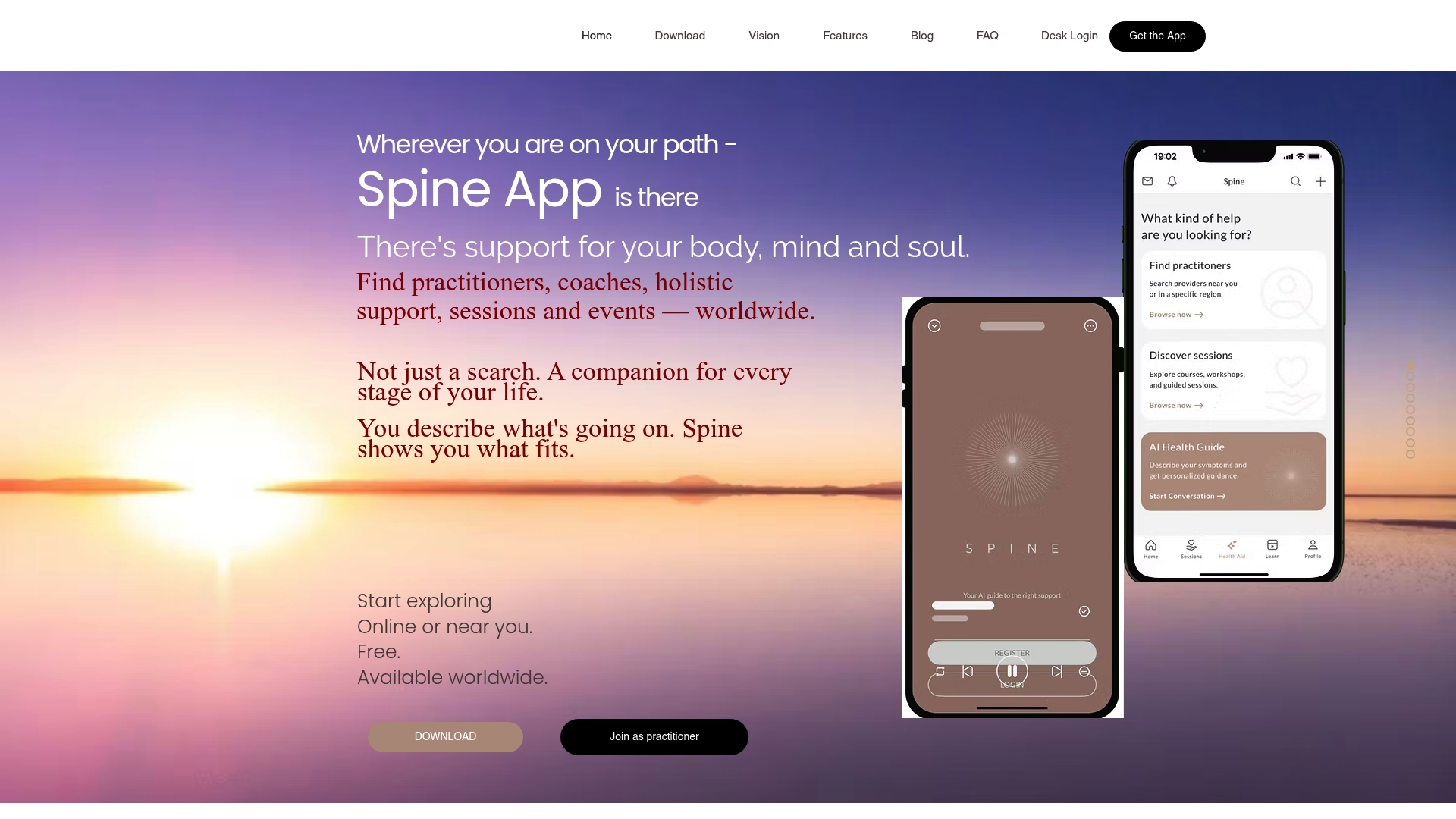
Spine App reports practitioners in over 175 countries. The platform focuses on discovery, letting people find practitioners, coaches, workshops, and events both online and locally. The app is free and available on iOS and Android, making global access easy for people and practitioners alike.
Core Features
The platform maintains a global practitioner directory with professional profiles that show services, session formats, and availability. Users can book both online and in-person sessions and register for workshops and events listed on the marketplace. A Free mobile app captures descriptive input from users and matches them to likely fits, while practitioner profiles let providers present their practice to an international audience.
Key Differentiator
Spine App stands out for its global reach combined with no-cost entry for users and practitioners. The directory emphasizes discoverability across locations and session types, reducing friction for people unsure where to start. That combination makes it easier for practitioners to extend visibility beyond local networks.
Pros
That reach supports people who want options outside their local market, and the platform reports this wide geographic presence. The matching approach lets you describe symptoms, goals, or preferences in plain language and receive relevant practitioner matches. Profiles and event listings let practitioners showcase specialties, which helps them attract clients without high upfront costs.
Cons
Limited platform-level detail on practitioner qualifications and client reviews, which means you must vet providers directly before committing to care.
Who It’s For
People exploring holistic or alternative support who want a low-friction way to find nearby or online practitioners will get the most value. Practitioners who need greater visibility and want to reach international clients without paying listing fees also fit well. Event organizers who want to promote workshops or retreats can list sessions to reach new attendees.
Unique Value Proposition
Personalized health support matching accepts descriptive input rather than forcing category selection. That feature shortens the time from uncertainty to a shortlist of relevant practitioners or sessions. For practitioners, that matching funnels motivated leads who already described their needs, which often improves conversion compared with generic listings.
Real World Use Case
A person feeling persistent stress downloads the app, types a short description of symptoms and preferences, and receives a set of nearby coaches and therapists who offer relevant session types. They book a hybrid session with a coach listed on the profile and later register for a local workshop recommended in the same search. A practitioner uses their profile to list the workshop and picks up clients who discovered the event via the app.
Pricing
Spine App is free to use for both people and practitioners. The vendor states optional paid features may exist for enhanced profile visibility, but core discovery and booking remain at no cost. Practitioners should review available paid add-ons in the app before upgrading.
Website: https://spine.app
Heallist
At a Glance
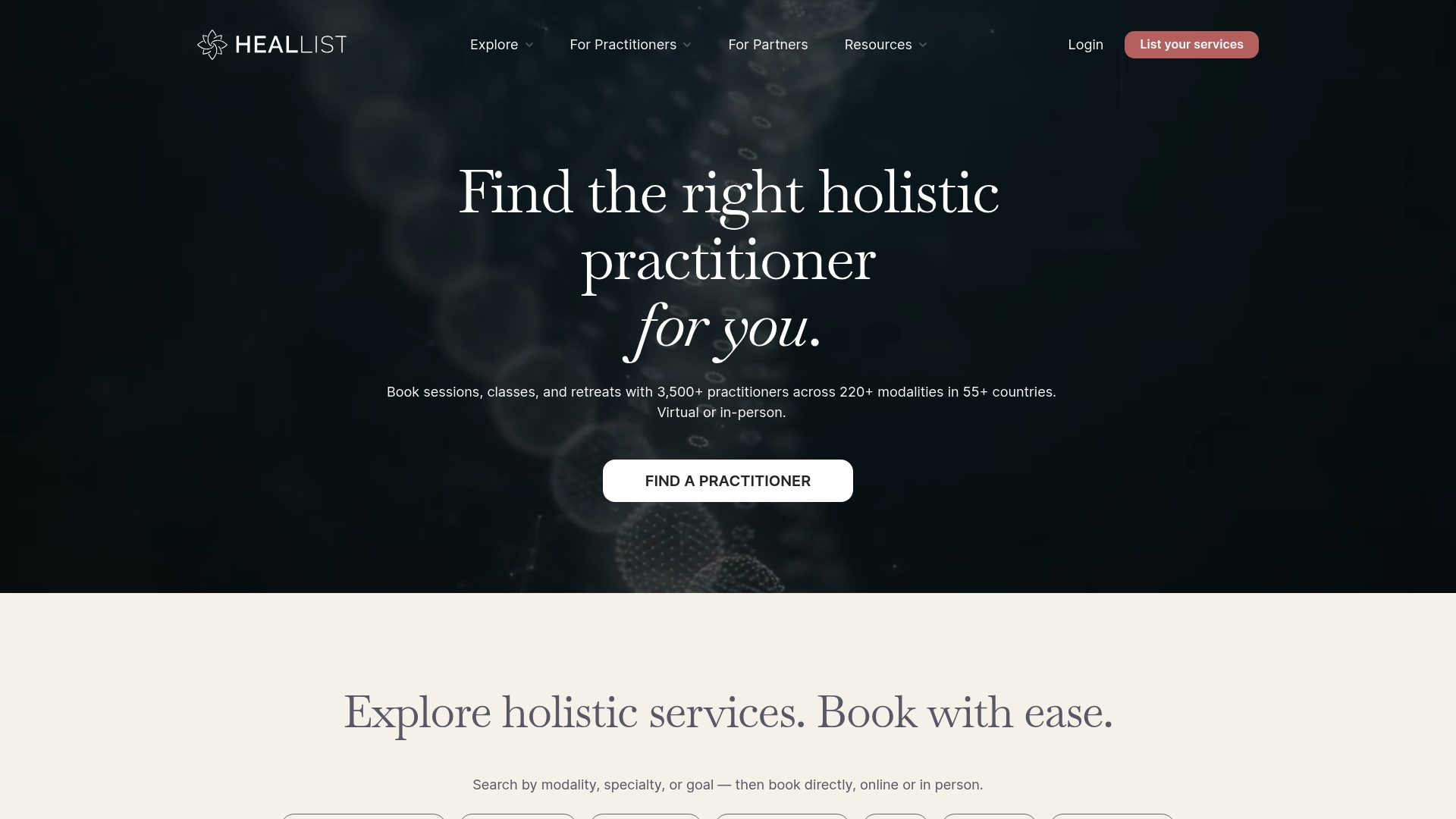
Heallist reports more than 3,500 practitioners and over 5,000 bookable services across 220 modalities in 55 countries. The marketplace supports both virtual and in person appointments. It also offers tools for scheduling, payments, and client messaging that let practitioners run their practice and list services in one place.
Core Features
The marketplace lists practitioners and searchable services across many holistic modalities while supporting online bookings and in person appointments. Practice management capabilities include scheduling, booking, payments, and client messaging, all tied to practitioner profiles. An AI Wellness Concierge helps match clients to services, and community features let practitioners connect, mentor, and co‑promote events.
Key Differentiator
Heallist combines discovery, booking, and practice management in a single marketplace with AI assisted matchmaking. That combination reduces the need for separate scheduling or payment tools for many practitioners. The result is a unified workflow from listing to payment that few specialty marketplaces attempt.
Pros
Heallist brings a broad global network together with tools that cut administrative friction for solo practitioners and small centers. The integrated practice tools let practitioners manage bookings and payments without juggling multiple apps. Its AI assisted matching helps clients find relevant services faster and supports hybrid offerings that mix virtual and in person work. The community aspects add visibility and mentoring opportunities that help newer practitioners grow.
Cons
Practitioners manage their own profiles and credentials. Users must evaluate qualifications before booking.
Platform experience depends heavily on individual practitioners marketing and reputation. That variability affects consistency.
Heallist does not publish a centralized vetting or certification audit for all listings. Users seeking verified credentials may need to verify them directly.
When It May Not Fit
If you require a fully vetted or credentialed directory for regulated care, this marketplace may not meet that need. Organizations wanting guaranteed background checks or third party credentialing will need a different service. Large clinics that want enterprise grade account management and dedicated onboarding support may find the self managed listing model limiting.
Who It’s For
Practitioners, wellness coaches, and small centers that want a single place to list services, manage bookings, and accept payments will find this useful. Providers aiming to expand internationally or add virtual offerings benefit from the marketplace reach. Practitioners comfortable managing their own reputation and listings will get the most value.
Real World Use Case
A practitioner creates a profile, lists three services, and sets weekly availability for virtual and local appointments. They process client bookings and payments through the same system and message clients from the platform. The practitioner uses community events and mentorship features to promote a weekend retreat and handle registrations without separate tools.
Pricing
Heallist offers a free startup option for practitioners that applies a 10% booking fee per session. Paid plans called Empowered start at $20/month and remove booking fees while adding growth features. The platform also provides annual billing and optional add on services depending on the plan.
Website: https://heallist.com
Holism
At a Glance
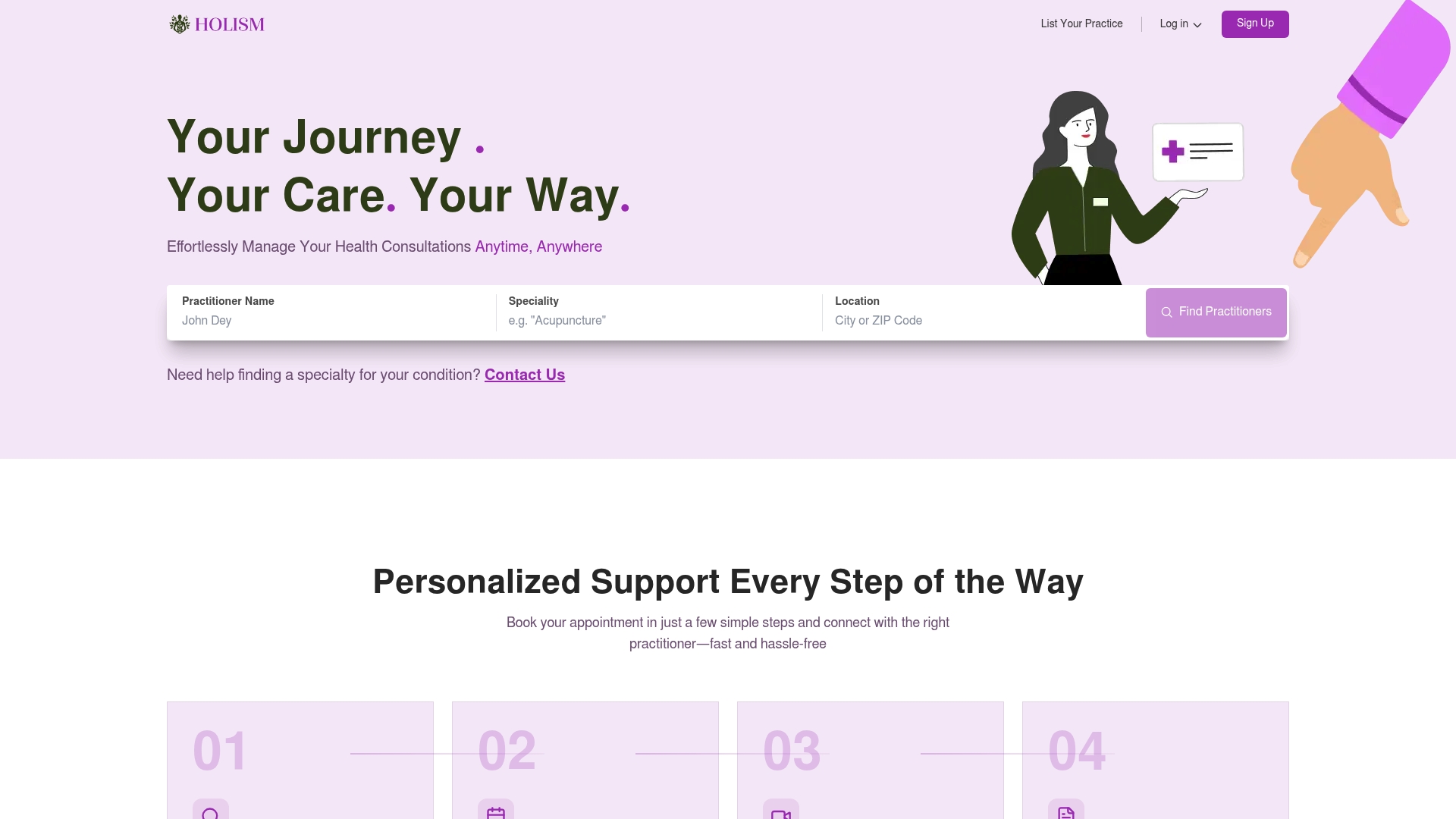
Free to list your practice on Holism, with paid options for greater visibility and added platform services. The site blends practitioner search, scheduling, telehealth, and a resource hub for patients and clinicians. Holism targets whole person care and emphasizes privacy and evidence informed approaches.
Core Features
Holism offers practitioner discovery that matches people to providers by condition or specialty and supports both virtual and in person care. The platform includes practice management tools for scheduling, records, and appointment bookings along with built in telehealth support for online consultations. Community features center on Holism Circles, where practitioners and clients can share learning, resources, and group sessions.
Key Differentiator
Holism uniquely pairs a marketplace for holistic practitioners with community driven tools and practice growth features. That combination moves beyond a directory by helping practitioners market, manage bookings, and engage peers on the same site. The vendor frames privacy and trust as central values that shape how profiles and communications work.
Pros
The platform simplifies booking and practice management so practitioners spend less time on admin and more time with clients. Holism foregrounds whole person care and evidence informed providers, which helps wellness seekers find clinicians who align with integrative approaches. Community features and marketing tools help newer practitioners grow visibility while the privacy focus supports confidential client interactions.
Cons
Limited integrations with external healthcare systems or electronic medical records. This makes transferring clinical data between sites less convenient.
Primarily focused on holistic practitioners, so general medicine patients will find fewer conventional providers. That narrows appeal for people seeking primary care.
The community and practitioner network are still expanding, so availability will vary by region. In some areas listings may be sparse.
Additional platform services and visibility options incur costs beyond the free listing, which can increase monthly expenses for busy clinics.
When It May Not Fit
If you need deep integration with an EMR or a hospital scheduling system, Holism will feel incomplete because external integrations are limited. If your practice is strictly conventional medicine, the roster of holistic providers will not match your needs. Practices in regions with few holistic clinicians will see less immediate value while the network continues to grow.
Who It’s For
Holism suits licensed holistic health practitioners and small wellness clinics seeking more local visibility and easier appointment handling. It also fits people who prefer whole person care and want access to practitioner profiles, telehealth, and community learning. Clinics aiming to add group classes or practitioner led discussions will get practical tools for promotion and engagement.
Real World Use Case
A naturopathic clinician lists a practice for free, sets up intake forms, and runs telehealth consultations through the platform. The clinician posts in Holism Circles to announce a monthly group class and to connect with nearby practitioners. Patients discover the profile, book sessions, and access resource pages that support longer term care relationships.
Pricing
Listing a practice is free, which lowers the barrier for individual clinicians to join. Paid services exist for enhanced visibility and additional platform features, and those add on to the free listing. The vendor does not publish fixed subscription tiers or bulk discount details on the site.
Website: https://holism.health
Headway
At a Glance
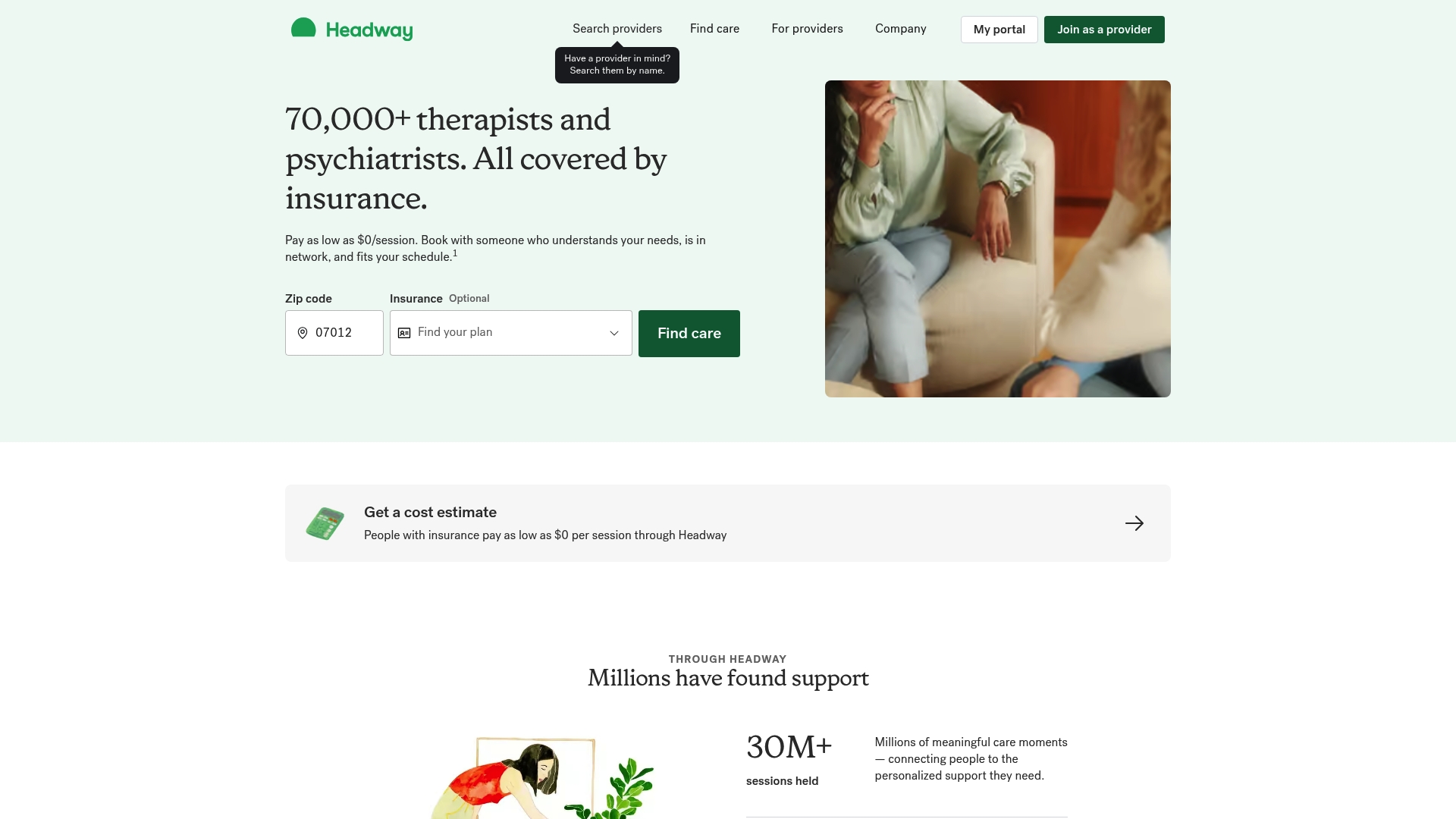
Headway reports a network of over 70,000 licensed providers across the United States. The company says it partners with more than 100 insurance plans to enable in network care and automate claims processing. It supports virtual and in person appointments while bundling scheduling, documentation, and billing, so patients and providers book and bill from one place.
Core Features
According to Headway, provider onboarding and credentialing can take as little as 30 days, which speeds practice enrollment. Integrated telehealth, scheduling, and documentation tools come built into the marketplace, and billing and claims processing are automated to reduce administrative work for practices. The platform supports individual practitioners and group practices while keeping insurance handling centralized for patients.
Key Differentiator
Headway pairs a large in network provider base with centralized administrative tools for booking, documentation, and billing. Those payer partnerships reduce upfront billing steps for patients and give practices one place to manage claims. The model targets people who must use insurance and clinics that prefer to offload insurance paperwork.
Pros
That provider base increases the odds of finding a specialty match and language options without long searches. Built in billing and claims automation simplifies reimbursements for covered visits and reduces paperwork for practices. The scheduling and telehealth tools make booking and attending sessions straightforward for both patients and clinicians.
Cons
Users report significant frustration with billing inaccuracies and customer service responsiveness.
Limited direct human support can make complex issues slow to resolve for patients and providers.
Some users describe support interactions that feel automated rather than personal when problems arise.
When It May Not Fit
People outside the United States or those without insurance coverage will find the platform a poor fit. Practices that require immediate, hands on support may find the customer service model lacking. Buyers who need guaranteed billing accuracy or real time human assistance should expect additional follow up.
Who It’s For
People who prefer finding in network mental health care through a single marketplace and who use insurance will see the most benefit. Independent clinicians and group practices seeking to reduce administrative overhead will also gain from the billing and scheduling tools. Patients who value quick matching by specialty and language will find the search tools helpful.
Real World Use Case
A patient with insurance searches Headway for a licensed therapist who treats anxiety and speaks Spanish. They enter insurance details and receive a list of in network providers, then book a virtual session through the platform. Headway handles claims and billing so the patient pays only the expected copay.
Pricing
Headway is free to join and list as a provider. Patients can pay as low as $0 per session depending on insurance coverage, though actual copays vary by plan. Some services or premium features may carry additional fees, and some users report billing accuracy issues.
Website: https://headway.co
Ozer Health
At a Glance
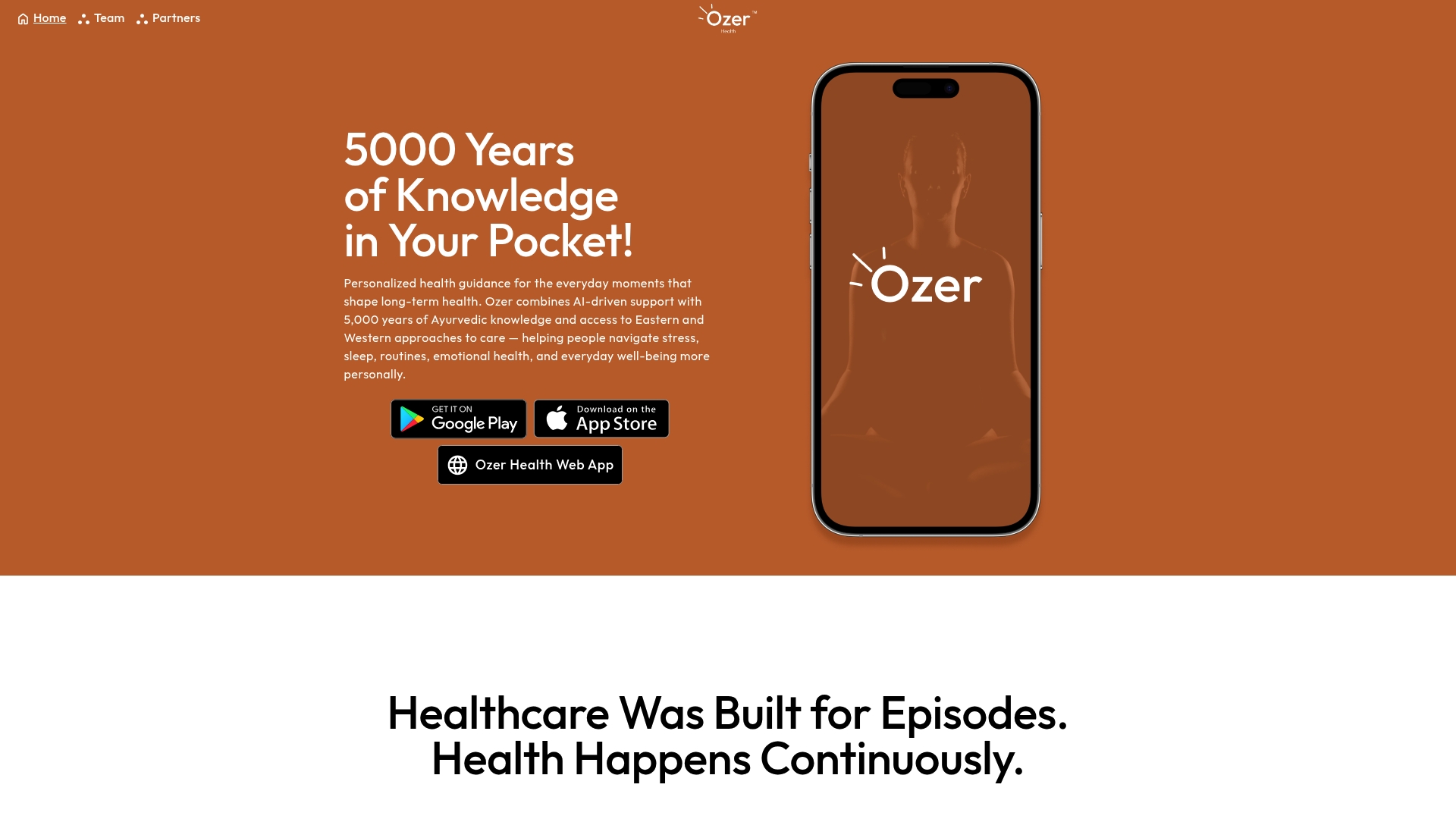
A conversational library pulls from 5,000 years of Ayurvedic knowledge and surfaces it inside guided exchanges. The offering pairs that library with AI personalization and access to Eastern practitioners and Western providers. Members get daily guidance for stress, sleep, routines, emotional health, and recovery between clinical visits.
Core Features
Ozer Health combines AI personalization with a curated Ayurvedic corpus and live access to clinicians and traditional practitioners. The community features include conversational guidance, a searchable content library, and speech to text for natural interactions. Support centers on everyday topics such as stress management, better sleep habits, routine building, emotional regulation, and short term recovery.
Key Differentiator
Ozer Health focuses on continuous, everyday engagement by blending personalized AI coaching with pathways to both Eastern and Western practitioners. That combination targets members who want daily, practicable recommendations plus the option to consult providers when issues need deeper care. The platform positions its conversational library and practitioner access as a single thread through daily life and episodic care.
Pros
The product integrates historical Ayurvedic material with automated personalization so members receive guidance aligned to their routines and goals. Continuous support outside appointments helps people keep momentum on sleep and stress habits. The speech driven interface lowers friction for quick check ins and for members who prefer talking over typing. Finally, offering both Eastern and Western provider connections gives users multiple routes to escalate concerns.
Cons
No detailed pricing information is listed, so membership cost and billing model are unclear.
The vendor lists access to providers but does not specify the full range of specialties or provider credentials.
The Ayurvedic emphasis may feel unfamiliar or overwhelming for members used strictly to Western medical approaches.
When It May Not Fit
Members seeking primarily traditional Western medical workflows will find the Ayurvedic focus misaligned with their expectations. People who need guaranteed offline access or deterministic clinical decision support should note the platform relies on connectivity and AI interpretation. Those who prefer a strictly clinical portal with detailed provider directories may need another service.
Who It’s For
This suits people interested in holistic daily guidance who want a blend of ancient practices and modern technology. It fits members who value ongoing micro guidance for stress, sleep, or emotional health and who want optional access to practitioners from different traditions. It also works for those who prefer voice interaction for routine check ins.
Real World Use Case
A busy professional opens the app each morning for a two minute check in. The platform adapts suggestions for breathing, routine timing, and evening habits based on that day’s stress report. When a sleep issue persists, the member books a consult with a listed Ayurvedic practitioner or a Western provider through the same community pathway.
Website: https://ozerhealth.com
Comparison of alternatives
Selecting the best practitioner marketplace often involves evaluating global reach, platform features, and ease of provider vetting.
Platform accessibility and reach
Spine App emphasizes global availability, connecting users with practitioners in over 175 countries. This feature allows individuals to discover services internationally without cost barriers. In contrast, Headway focuses on network integration within the United States, prioritizing insurance compatibility and claims processing. Holism supports regional practitioners but, as the platform continues to grow, coverage varies considerably. Ozer Health’s approach combines Eastern and Western practices but emphasizes Ayurveda, which caters to specific preferences and limits general applicability.
Provider convenience and tools
Heallist integrates administrative utilities such as scheduling, payments, and client correspondence directly, reducing the need for external services. Spine App instead relies on its no-fee approach to incentivize practitioner listing, emphasizing visibility without overhead costs. Holism’s included telehealth functionality supports doctors seeking convenient virtual appointment setups but lacks extensive healthcare system integrations for larger practices.
Best fit
Users seeking global practitioners without the overhead of listing fees or country constraints will benefit most from choosing Spine App.
Practitioners based in the U.S. requiring insurance claims handling and built-in billing automation will gravitate towards Headway’s distinctly U.S.-centered user base and enhanced insurance features.
Licensed, region-focused practitioners seeking evidence-aligned networks in integrative or alternative approaches may find Holism’s community-driven learning areas and Circles valuable.
Individuals interested in Ayurvedic-informed guidance for personalized wellness paths are suited to Ozer Health’s highly specialized AI-driven services.
Our pick
Spine App uniquely offers an accessible, globally applicable platform that caters to both users and practitioners aiming for connection across various modalities. While alternative platforms excel in specific local features, such as insurance integration with Headway or administrative tools via Heallist, their scopes are regionally constrained or demand additional fees to access full functionality. However, Spine App may not suit providers or individuals requiring centralized qualification verification before engagement. Therefore, when flexibility in approach and breadth of reach are critical, Spine App emerges as the most versatile option.
The following table compares popular practitioner discovery platforms to highlight their respective features and focus areas, assisting users in selecting the most suitable option.
Platform | Core Feature | Key Differentiator | Best For | Notable Limitation |
Spine App | Global practitioner discovery | Free access for users and practitioners | Accessing a broad range of practitioners | Limited practitioner qualification details |
Heallist | Scheduling and payment integration | Unified discovery and management tools | Practitioners balancing multiple responsibilities | No centralized vetting of listed practitioners |
Holism | Holistic practitioner directory with telehealth | Integration of care with community learning | Advocates of integrative and holistic care | Limited appeal for conventional medical practices |
Headway | U.S. insurance-focused provider access | Cooperation with over 100 insurance plans | Individuals seeking insured in-network care | Limited availability outside the United States |
Ozer Health | Continuous AI-guided Ayurvedic wellness support | Combination of ancient knowledge with AI tools | Users focusing on lifestyle and daily health | Lack of detailed pricing information |
How to Find Focused Support Among Wide-Ranging Marketplace Options
Choosing the right path among diverse care marketplaces can feel confusing. Readers often want clear access to practitioners, sessions, and events without sorting through unrelated options or paying upfront fees. They seek a straightforward way to describe their needs in plain language and connect with services that fit their situation.
Spine App addresses these challenges by letting users express their concerns in their own words and matching them to conventional, holistic, or combined care. With presence in over 175 countries and zero cost to use, Spine App offers practical options for people and practitioners aiming for real connections without lengthy searches or extra expenses.
Ready for focused guidance? Visit Spine App to find personalized practitioner matches, book sessions, and join relevant events that align with your well-being goals.
FAQ
How does Spine App assist users in discovering practitioners?
Spine App provides a global practitioner directory that allows users to search for practitioners by specialty and availability. This feature supports both online and in-person bookings, making practitioner discovery straightforward for users worldwide. Begin your search today to find a practitioner who fits your needs.
What is the difference between Spine App and Heallist?
Heallist offers a comprehensive marketplace that combines discovery, booking, and practice management, supporting both virtual and in-person services. In contrast, Spine App focuses solely on matching users with practitioners without additional management tools. Use Spine App if you’re primarily looking for personalized matches to providers based on your specific health concerns.
Does Heallist provide any integrated scheduling tools for practitioners?
Yes, Heallist includes scheduling, booking, and payment management features for practitioners, which makes administration easier within the platform. While this is convenient for providers, you may prefer Spine App if your main goal is simply finding the right practitioner without needing robust administrative features.
What kind of matching does Spine App offer to users?
Spine App generates personalized matches based on user descriptions of their concerns and preferences. This process simplifies the search for a practitioner, as users can articulate their needs in plain language. To experience this tailored matching, you should try out the Spine App and see the available practitioners that meet your needs.
Recommended
